
Little Superheroes: Childhood with Type 1 Diabetes
Children with type 1 diabetes can live full and happy childhoods, but behind everyday moments there is often extra planning, responsibility and emotional weight. This is the story behind our Little Superheroes puzzle.
When a chronic condition becomes part of a carefree childhood
If you’re reading this, you’re probably connected to type 1 diabetes in some way – maybe you live with it yourself, someone close to you does, or you’re the parent of a child with type 1 diabetes. So you probably already know what type 1 diabetes is: it’s not the type of diabetes our grandparents typically have, we weren’t born with it, and we didn’t “cause it ourselves”. There is currently no cure, and yes, people with type 1 diabetes can eat something sweet from time to time.
I was diagnosed with type 1 diabetes when I was 17. At the time, I knew absolutely nothing about it. There were some challenges, but I accepted fairly quickly that life was going to be a little different from then on. I became more aware of what and when I ate, how much insulin I needed for meals, and how I planned physical activity. I always carried a blood glucose meter, an insulin pen and something sugary in case of a hypo. Back then, continuous glucose monitors and insulin pumps weren’t yet part of everyday diabetes care.
When a child is diagnosed with type 1 diabetes
Four years ago, my daughter was diagnosed with type 1 diabetes at the age of nine and a half. Suddenly, I began to see a condition I had lived with for many years from a completely different perspective: as the mother of a child with diabetes. At the same time, I started to understand what it feels like to experience this condition as a child.
Sometimes the emotional side of this new way of life was harder to deal with than the practical side. It was easier to think about what we were going to eat and how much insulin she needed than to help her deal with feeling different, with changing moods and physical symptoms, and with all the new responsibilities and worries that came with the diagnosis.
And of course, the practical side is no small thing either. With younger children, parents and carers take care of much of the planning, food and diabetes supplies. As children grow older, that responsibility gradually shifts to them. Going to school, the playground, visiting friends or attending a birthday party all require a little more planning. Diabetes supplies and fast-acting carbohydrates need to come along, glucose levels need to be monitored, and food, insulin and physical activity all have to be taken into account.
Many children wear a glucose sensor and an insulin pump on their bodies around the clock. These devices make managing diabetes much easier, but at the same time they are a constant, everyday reminder of it.
A child has to learn to recognise how they are feeling, speak up when something isn’t right, and gradually take responsibility for things their peers don’t even have to think about. Sometimes they have to drink juice in the middle of a lesson. Sometimes a hypo means they need to wait before joining in with sports. At other times, an adult needs to accompany them while their friends are already becoming more independent.
And yet, above all, they are still children. Children who play, laugh, run, argue with their friends, jump in puddles and look forward to birthday cake.
The side of type 1 diabetes you don’t always see
When someone sees a child with type 1 diabetes happily playing in a sandbox, they might quite rightly think, “A child with diabetes can have a completely normal childhood.” And they can. But you can’t see everything that happens behind the scenes.
You don’t see the hypos and high glucose levels. The sensor and infusion set changes, which can sometimes hurt. The planning around meals and physical activity. The parents’ interrupted sleep. The moments when play has to stop because glucose levels need attention first. And you don’t see the emotions a child may sometimes struggle with simply because there are things that make them different from their friends.
That is why I see these children as little superheroes. Not because they have to be brave or strong all the time. And not because diabetes defines them. But because every single day, they manage things that most other children never even have to think about.
Why we created a superhero puzzle for children with type 1 diabetes
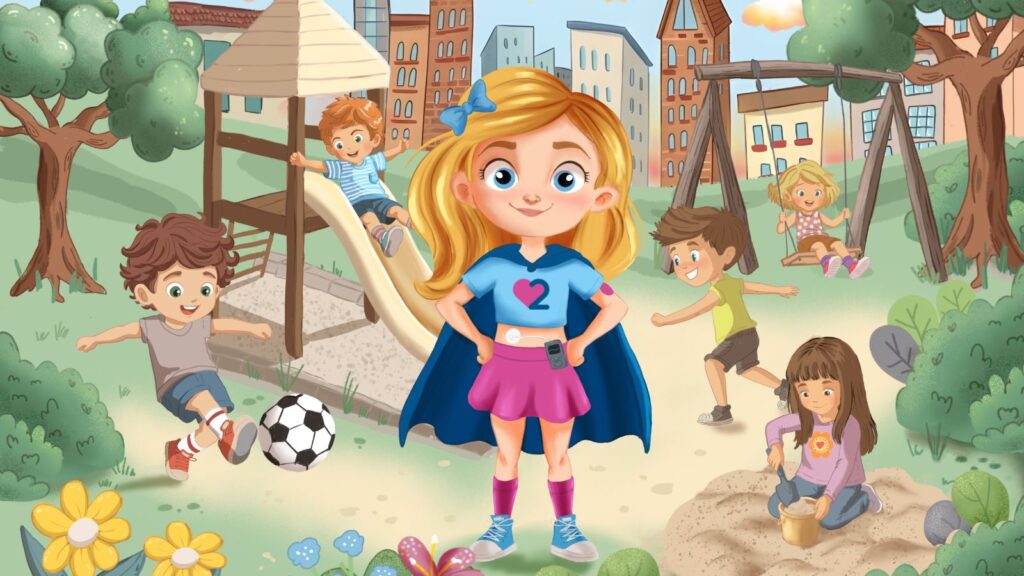
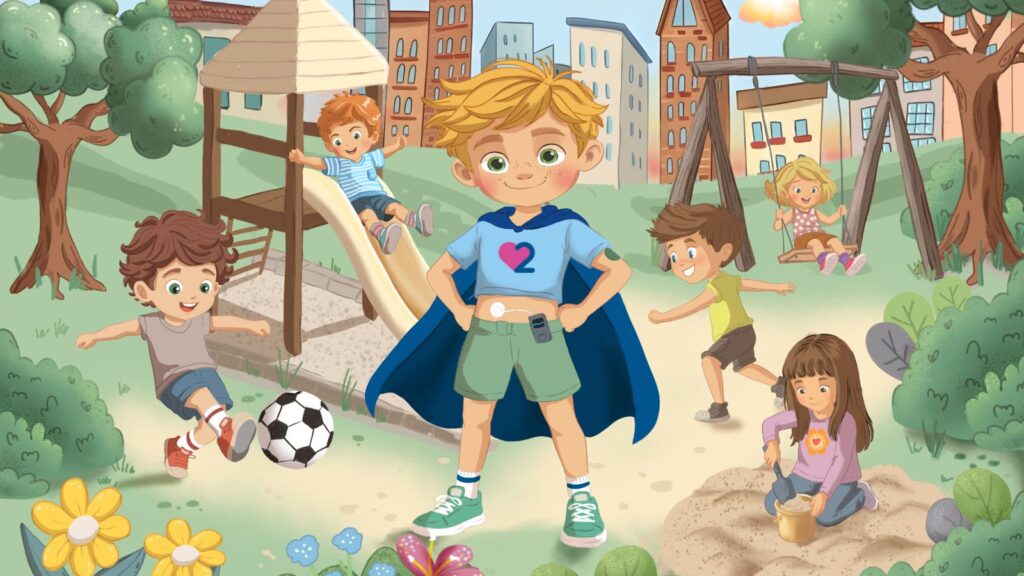
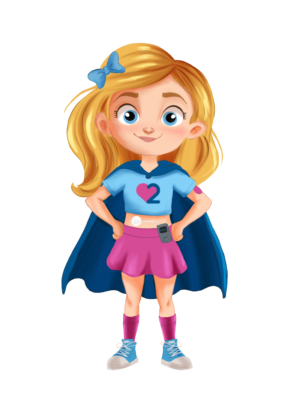
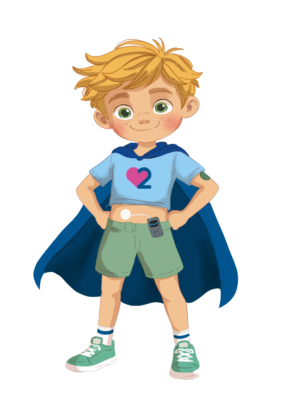
That idea is what inspired our superhero puzzle for children with type 1 diabetes, featuring a superhero boy and superhero girl who live with type 1 diabetes. I wanted children to see someone like themselves in these characters. Someone who wears a sensor or an insulin pump, but is still a child who plays, explores, dreams and saves the world. Someone whose story is about so much more than diabetes.
Our superhero boy and superhero girl first and foremost represent children living with type 1 diabetes. But they can also remind us of something bigger: every child may have their own story, their own challenges or their own battles that we cannot see at first glance.
So this is what we would like to say to all of you:
Be a superhero. And be kind to others.
DISCLAIMER: This is a personal blog. Any views or opinions represented in this blog are personal and belong solely to the blog owner and do not represent those of people, institutions or organizations that the owner may or may not be associated with in professional or personal capacity, unless explicitly stated. This blog content expresses only the views or opinions of the author(s), and should not be taken as professional medical advice. Consult your healthcare professional prior to making any decisions regarding your medication, diet and physical activity.